

LED light therapy has moved from salons into at-home skincare routines, and it's easy to see why: it's non-invasive, UV-free and simple to fit into an evening. But what can it realistically do for your skin? Here's an honest guide.
Quick answer: LED light therapy is a popular, gentle addition to a skincare routine. Red light modes are used for skin that looks smoother, firmer and more radiant, and blue light modes for blemish-prone skin and a clearer-looking complexion. Results are gradual and vary from person to person, so consistency matters. At-home devices are cosmetic, not medical treatments, so for acne, rosacea or any skin condition, speak to your GP, pharmacist or a dermatologist.
💡 Our At-Home LED Devices
- LED Light Therapy Face Mask – Red & Blue Light — Full-face and neck coverage, cordless, red & blue modes
- 7-in-1 Facial Rejuvenator – EMS, LED & Microcurrent — Seven modes in one handheld device, 10–15 minute sessions
What Is LED Light Therapy?
LED (light-emitting diode) devices shine specific colours, or wavelengths, of visible light onto the skin. Unlike UV light, LED light doesn't tan or burn, and the devices don't use heat or abrasion, which is why they feel so gentle. Professional LED treatments are offered in salons and clinics; at-home masks and handheld devices use the same idea at a lower intensity, designed for regular use at home.
Red Light vs Blue Light: What's the Difference?
Red light: for smoother, more radiant-looking skin
Red light is the mode most people choose for an anti-ageing-style routine. Used regularly, many people find their skin looks smoother, plumper and more radiant. Our LED mask uses red light at 630nm. Like any skincare step, results are gradual and depend on your skin, your routine and how consistently you use it.

Blue light: for blemish-prone skin
Blue light modes are popular with people who have blemish-prone skin and want a clearer-looking complexion as part of a consistent routine. Our mask's blue mode uses 415nm light. An at-home device isn't a treatment for acne, so if you have persistent, painful or widespread breakouts, see your GP, pharmacist or a dermatologist.
What About the Research?
Light-based treatments have been studied by dermatologists for years, mostly using professional, clinic-grade equipment. Those studies don't automatically apply to every at-home device, which is lower in power and varies a lot between brands. The fairest way to think about an at-home LED mask is as a relaxing, cosmetic addition to a good routine of cleansing, moisturising and daily SPF, not a replacement for it.
At-Home LED: What to Expect
Most at-home devices suggest short sessions of around 10–20 minutes, a few times a week. Always follow the instructions that come with your device. Changes, if you notice them, build gradually with regular use rather than overnight.
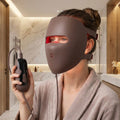
Our LED Light Therapy Face Mask – Red & Blue Light covers your face and neck, so you can relax hands-free during a session. It's rechargeable, cordless and UV-free.

If you'd like more than light in one device, our 7-in-1 Facial Rejuvenator combines red and blue LED with EMS microcurrent massage, ultrasonic vibration and a warming function, in 10–15 minute sessions.

Browse our full at-home beauty & facial devices collection for all options.
Who Should Avoid LED Light Therapy?
LED devices are generally well tolerated, but they aren't for everyone. Check with your GP or pharmacist before using one if you:
- are sensitive to light, or take medication that makes you sensitive to light
- have a skin condition, an eye condition, or a history of seizures triggered by light
- are pregnant
- have a darker skin tone and are prone to pigmentation, so you can patch test and start slowly
Never look directly into the lights, and stop using the device if your skin becomes irritated.
Fitting LED Into Your Skincare Routine
Use your device on clean, dry skin, then follow with your usual serum and moisturiser. In the morning, finish with SPF. Treat it as a few minutes of me-time rather than a quick fix.

For more ideas, read our Self-Care Sunday Routine guide.
Ready to add LED to your routine?
Browse our full range of at-home facial devices, all with free UK delivery.
Frequently Asked Questions
Does LED light therapy work at home?
Many people enjoy at-home LED as part of their skincare routine and find their skin looks smoother and more radiant with regular use. At-home devices are lower in power than professional ones, results vary, and they're cosmetic rather than medical. Our LED Light Therapy Face Mask has both red and blue modes.
How long does it take to see a difference?
It varies from person to person. Any changes tend to build gradually over several weeks of regular use, so stick with a consistent routine and follow your device's instructions.
How often should I use an LED mask?
Follow the instructions for your device. Many suggest sessions of 10–20 minutes a few times a week. If you have sensitive skin, start less often and build up.
Is red or blue LED light better?
It depends on your skin. Red light is popular for skin that looks smoother and more radiant, while blue light is popular for blemish-prone skin. Our LED Light Therapy Face Mask has both.
Can I use LED light therapy on darker skin tones?
LED devices don't use heat or abrasion, and many people with darker skin tones use them. If you're prone to pigmentation, patch test first, start with shorter sessions and speak to a dermatologist if you have concerns.
Is LED light therapy a treatment for acne?
No. Our devices are cosmetic, for blemish-prone skin as part of a routine. For acne, especially if it's painful, persistent or leaving marks, see your GP, pharmacist or a dermatologist.
This guide is general information, not medical advice. Our devices are cosmetic and aren't intended to diagnose, treat or prevent any medical condition.
Related reading: LED Face Mask vs EMS Device | Self-Care Sunday Routine


0 comments